Gossip is one of the most common social experiences in childhood, and one of the most damaging. By the time children reach school age, they are immersed in a world where stories are passed around, reputations are made and broken, and they are constantly being asked, sometimes without realizing it, to take sides. Helping children think for themselves in this environment is one of the most important things any adult can do.
Why children gossip
Gossip is not a sign that a child is unkind. Children gossip for the same reasons adults do: to feel included, to bond with others, to make sense of social information, and sometimes to feel powerful when they feel small. Recognizing this is the first step in addressing it. A child who is shamed for gossiping learns to hide it. A child who is helped to understand why it happens can begin to make different choices.
By age seven or eight, children become much more aware of social hierarchies and reputations. This is when gossip and rumor really begin to take hold. It is also the age when conversations about integrity can begin to land most powerfully.
Integrity is choosing your own conclusions
At its core, integrity means deciding what you believe based on your own experience and judgment, rather than going along with what others say. This is a difficult skill at any age. For a child, who naturally wants to fit in and trust the group, it can feel almost impossible.
Teaching this skill begins with showing children how to ask questions. “How do you know that is true?” “Have you seen it for yourself?” “Is the person who told you trustworthy?” These questions, asked gently and often, train a child's mind to pause before accepting what they hear. Over time, this habit becomes automatic.
Modeling matters here too
Children listen closely to how adults talk about other people. When they hear a parent or grandparent gossiping about a neighbor, a co-worker, or a relative, they absorb the lesson quickly: this is how grown-ups talk. When they hear an adult say, “I don't know enough about that situation to say,” or “That doesn't sound like the person I know,” they absorb a different lesson.
The hardest part of teaching integrity is being honest about our own behavior. Children notice when we say one thing and do another. The most powerful lessons happen when an adult catches themselves mid-sentence and says, “You know what, I shouldn't be saying this. I don't really know the whole story.” That moment of self-correction teaches more than a hundred lectures.
When a child is the target
Sooner or later, almost every child becomes the subject of gossip themselves. This is one of the most painful experiences of childhood, and how adults respond to it matters enormously. The instinct is to dismiss it — “Don't pay attention to them” — but this rarely helps. The hurt is real, and the child needs to feel that.
From a place of being heard, you can help your child think about what to do. Sometimes the right response is to ignore it. Sometimes it is to confront it directly. Sometimes it is to involve a trusted adult. There is no single right answer. What matters is that the child feels supported and capable of making the choice with you, rather than feeling alone with their hurt.
Stories that build integrity
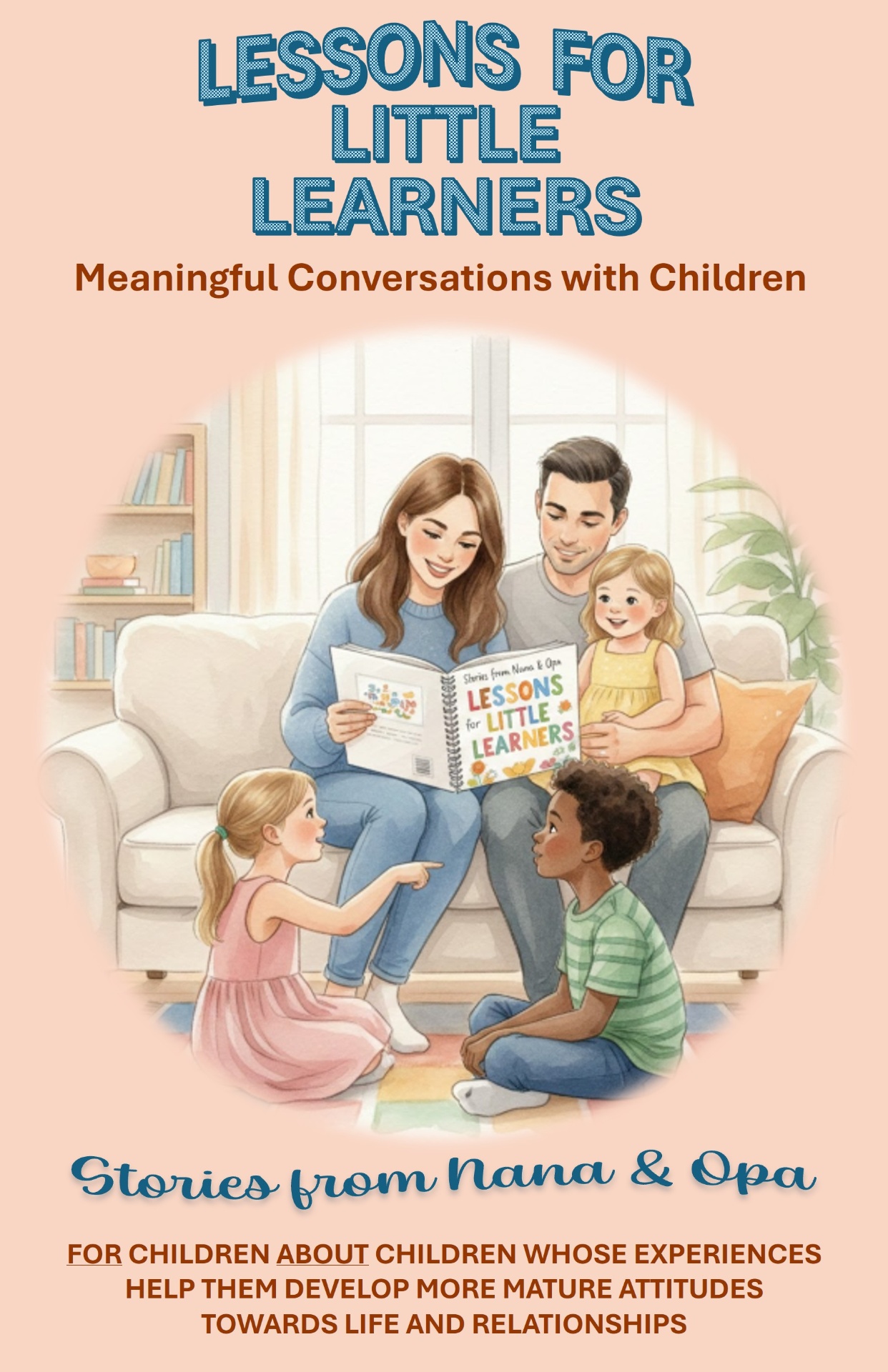
Children understand integrity best through stories that show characters wrestling with the temptation to go along with the crowd. In Lessons for Little Learners: Meaningful Conversations with Children by Michele and Marv Wainschel, several stories take on this challenge directly. In Shadow of Doubt, Josh chooses to judge his neighbor based on his own experience rather than the rumors his friend is spreading. In It's Not About Omar, Michael recognizes that the meanness of others does not have to become his own. In Choices and Consequences, a young character learns that telling the truth, even when it costs something, builds the kind of character others can trust.
After reading, asking questions like “What would you have done?” or “Why do you think the character made that choice?” turns the story into a personal conversation. These are the conversations children carry forward into their own moments of decision.
Teaching children to ignore gossip and build integrity is not about turning them into perfect people. It is about helping them develop the habit of thinking for themselves, judging fairly, and treating others as they would want to be treated. When the adults in their lives show them what this looks like, talk about it openly, and use stories to bring it to life, integrity becomes something children own — quietly, deeply, and for life.
Related lesson
Explore the lesson →