Character is not built in dramatic moments. It is built in small, ordinary choices a child makes when no one is keeping score. The willingness to do the right thing, especially when it is unpopular or uncomfortable, is one of the most valuable qualities a child can develop. And like most things worth learning, it is not taught with a lecture. It is grown through example, conversation, and the everyday situations that ask children to choose who they want to be.
What we mean by character
Character is often described in vague terms — being good, being honest, being kind. For children, those words are too large to grasp. Character becomes real for them in specific moments. When a friend says something mean about a classmate, will they laugh along or change the subject? When they break something accidentally, will they tell the truth or hide it? When a smaller child needs help on the playground, will they notice?
Helping children build character means helping them recognize these moments and feel capable of acting on what they know is right.
Moral courage is a learned skill
Standing up for what is right is harder than it sounds, especially for children. The pull of fitting in, of not being noticed, of not making someone else angry, is powerful. Researchers studying moral development, including the well-known work of Lawrence Kohlberg, have found that the willingness to act on one's values develops gradually and depends heavily on the environment a child grows up in.
Children who see the adults in their lives speak up calmly when something is wrong learn that doing so is possible. Children who only ever see adults stay silent learn that silence is the safer choice.
Start with low-stakes practice
Children do not learn moral courage by being asked to confront a bully on day one. They learn it in small, manageable situations. A four-year-old can practice telling a sibling, “I don't like it when you do that.” A seven-year-old can practice telling a friend, “I don't want to play that game.” An eleven-year-old can practice saying, “That's not a kind thing to say,” when a peer is being unkind.
Each small act of standing up builds the muscle. By the time a child faces a harder situation, they have already learned that their voice has weight and that using it does not have to mean a confrontation.
How adults help — and how they get in the way
Adults can encourage character without forcing it. The best support comes from acknowledgment rather than praise. Saying, “That was hard, and you did it anyway,” recognizes the effort without making the child feel they only acted to earn approval. Praise tied to outcomes can backfire, teaching children to seek attention rather than to act on conviction.
It is equally important to avoid rescuing children too quickly. If a child is in a difficult situation that does not involve real danger, stepping in immediately can rob them of the chance to practice working through it. Standing nearby, offering quiet support, and trusting them to find their voice often does more than solving the problem for them.
Stories give character a face
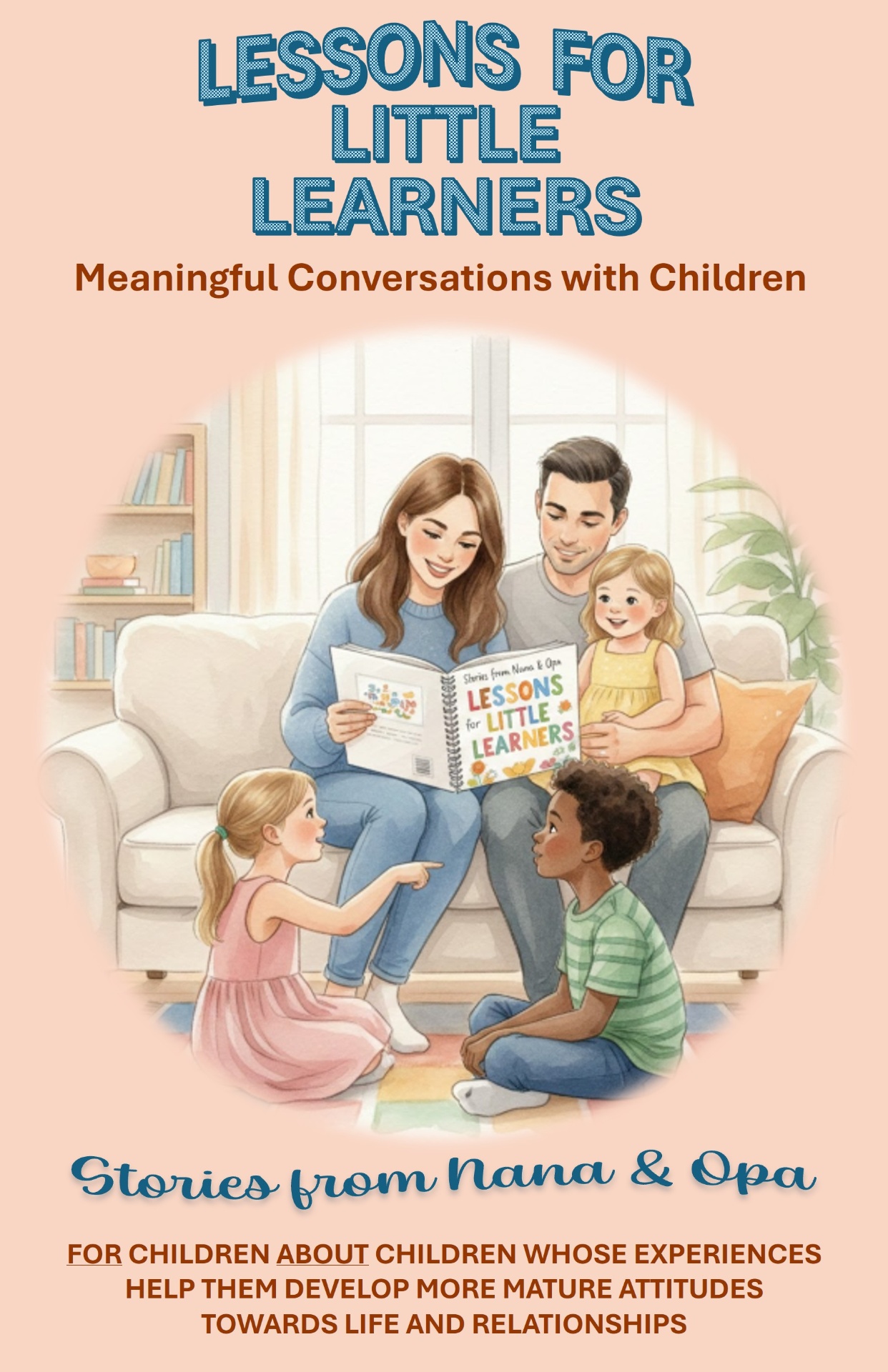
Children understand character best when they see it lived out by people they can relate to. In Lessons for Little Learners: Meaningful Conversations with Children by Michele and Marv Wainschel, several stories show characters wrestling with these exact decisions. In It's Not About Omar, Michael chooses kindness over conformity when his friends turn cruel. In Choices and Consequences, a child learns that taking responsibility, even when it costs something, is what makes a person trustworthy. In Shadow of Doubt, Josh resists the easy path of believing rumors and chooses instead to form his own judgment.
These stories are not just entertainment. They are rehearsals. A child who has thought through these situations on the page is more prepared when something similar happens in their own life.
Building character in children is not about producing little heroes. It is about helping them become people who know what they value and feel capable of acting on it. When parents, grandparents, teachers, and caregivers consistently model integrity and create space for children to practice standing up for what's right, character takes root quietly and lasts a lifetime.
Related lesson
Explore the lesson →