There is a common belief that praising children builds their confidence. But not all praise is the same, and not all of it builds the kind of confidence that lasts. How we recognize a child's achievements shapes how they see themselves, how they handle setbacks, and whether they are willing to try again when something is hard.
The difference between effort and outcome
When a child finishes a drawing and we say, “That's beautiful, you're so talented,” we are praising the result and the trait we believe produced it. When we say, “You worked so carefully on that — I can see how much you focused,” we are praising the effort and the process.
These two kinds of praise sound similar but produce very different outcomes. Decades of research by Stanford psychologist Carol Dweck has shown that children praised for effort tend to take on harder challenges, recover better from mistakes, and develop what she calls a growth mindset. Children praised primarily for being talented or smart often become afraid to try new things, because failing would mean losing the label they have been given.
Recognition matters, but not the way we think
This does not mean we should never celebrate a child's accomplishments. Recognition matters. A child who never hears that what they have done is good will doubt their own value. The question is how we recognize, and what we choose to point to.
Specific recognition lands better than general recognition. “You stuck with that math problem even when it was frustrating” tells the child something true about themselves. “Good job” tells them very little. The more specific we can be about what the child actually did, the more useful the recognition becomes.
Celebrating without inflating
Some adults worry that any criticism will damage a child's self-esteem, so they offer constant praise for ordinary things. Children see through this faster than we think. A six-year-old can tell the difference between a real accomplishment and a routine one, and being praised for everything teaches them that praise means nothing.
Honest recognition, given at the right moments, builds far more confidence than constant cheerleading. A child who knows that an adult means it when they say “That was hard, and you did it” trusts the adult's words. That trust is the foundation of genuine self-esteem.
Recognizing what is not visible
Some of the most important achievements in childhood are invisible from the outside. The shy child who said hello to a new classmate. The frustrated child who took a deep breath instead of yelling. The disappointed child who congratulated a sibling on winning a game. These moments are often missed by busy adults, but they are exactly the moments that deserve recognition.
By age seven or eight, children begin to develop a sense of who they are based on the moments adults seem to notice. If we only notice the visible achievements, we teach them that those are the only ones that matter. If we notice the quiet acts of growth, we teach them that character counts.
Stories that show growth in action
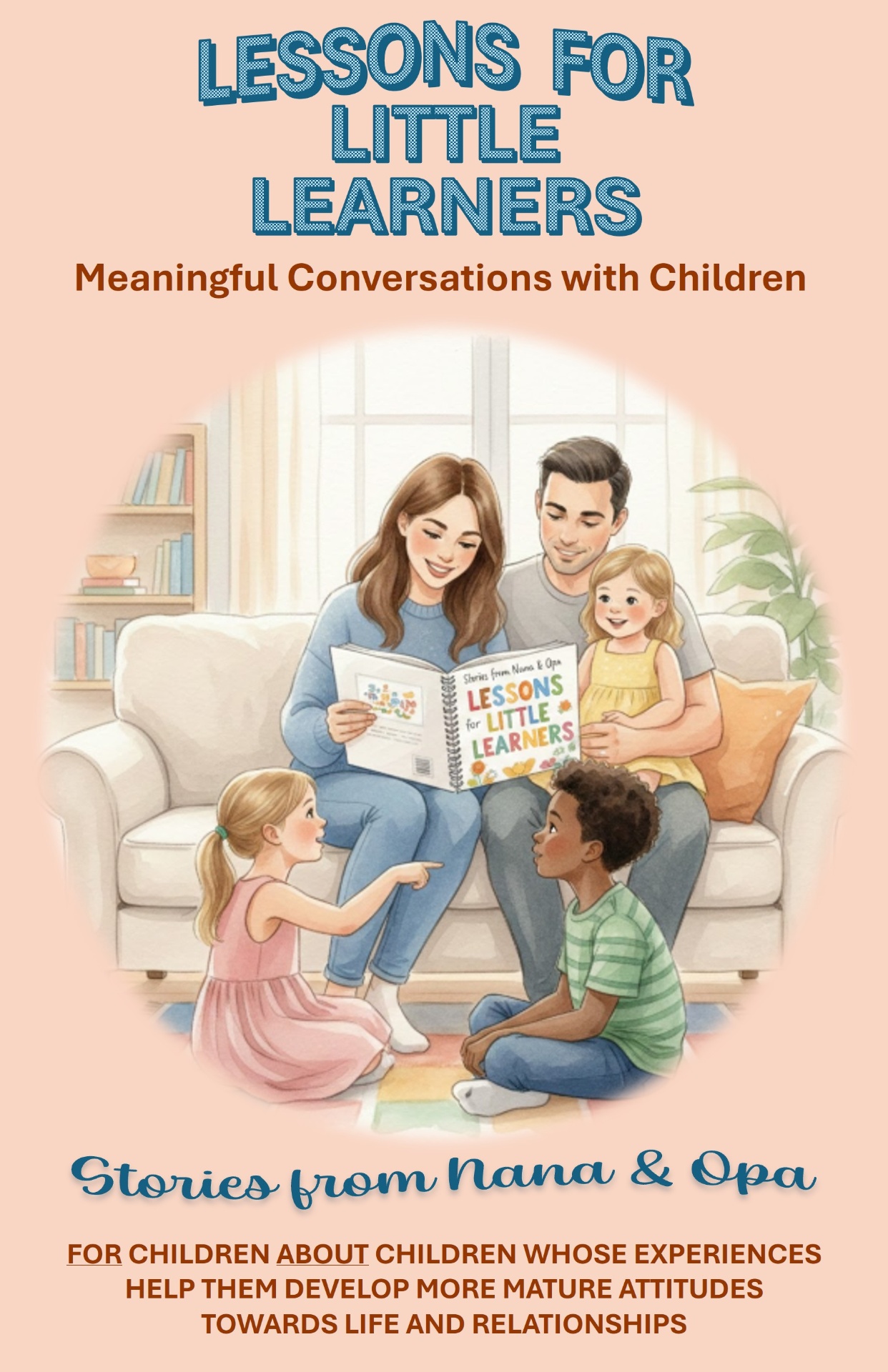
Children learn about achievement most clearly through stories that show characters working, struggling, and growing. In Lessons for Little Learners: Meaningful Conversations with Children by Michele and Marv Wainschel, several stories celebrate exactly this kind of growth. In The Real Agatha, a girl learns that being herself is a greater achievement than fitting in. In Finding Her Spotlight, a child discovers that real recognition often comes from embracing opportunities, not insisting on the ones we expected. In The Power of Dreams, a young girl's ambitions are honored not because she has already succeeded, but because she is willing to dream.
Reading these stories with a child opens the door to powerful conversations. After reading, asking, “What do you think the character was most proud of?” or “What did they learn about themselves?” helps the child notice the kinds of growth they might otherwise overlook in their own life.
Recognizing achievement well is one of the most important things any adult does in a child's life. When recognition focuses on effort, growth, and the quiet acts of character that children might not see in themselves, it builds the kind of confidence that does not crumble under pressure. That confidence is what children carry with them into every challenge life will bring.
Related lesson
Explore the lesson →