Respect is one of those words children hear often without fully understanding what it means. We tell them to respect their teachers, their elders, their classmates. But respect is not something a child can simply be told to give. It is something they learn by watching, feeling, and slowly understanding what it means to treat another person as someone whose feelings and dignity matter.
Respect starts with how children are treated
Children learn respect first by experiencing it themselves. When adults speak to a child with patience, listen to what they have to say, and treat their feelings as real, the child begins to understand what respect looks like. A child who is regularly interrupted, dismissed, or talked down to has very little to draw from when we ask them to show respect to others.
This does not mean treating children as equals in every decision. It means treating them as people. The tone we use, the eye contact we make, the way we apologize when we have been short with them — these small moments teach more about respect than any lecture ever could.
Modeling matters more than instruction
Children are constant observers. They watch how the adults around them speak to waiters, neighbors, strangers, and one another. They notice whether we hold the door for someone, whether we say thank you, whether we get impatient when someone is slow. By age four or five, children have already absorbed many of the social patterns they will carry into their own relationships.
Research on social learning, going back to the foundational work of psychologist Albert Bandura, has shown that children imitate observed behavior far more reliably than they follow direct instructions. If we want children to be respectful, the most important step is to be respectful ourselves, especially in the small moments when we think no one is watching.
Teaching children to see people as individuals
True respect goes beyond polite manners. It involves recognizing that every person has their own story, their own struggles, and their own value. This is a more advanced lesson, but children begin to grasp it as early as age six or seven if we help them see beyond first impressions.
Conversations are the tool. When a child judges someone based on appearance, behavior, or hearsay, we have a choice. We can correct them quickly and move on, or we can stop and ask, “What do you actually know about that person? What might be going on for them that you don't see?” These questions invite children to think rather than simply obey, and the lesson sticks much longer.
When children are disrespectful
Even children who are kind by nature will sometimes be rude, dismissive, or hurtful. This is part of growing up. The response matters more than the moment. Rather than reacting with anger, a calm pause and a clear conversation about how the other person likely felt does far more to build long-term respect.
It is also important to avoid shaming. A child who is told they are a bad person for being disrespectful learns to hide the behavior, not to change it. A child who is helped to understand the impact of their words learns something they can carry forward.
Stories make respect concrete
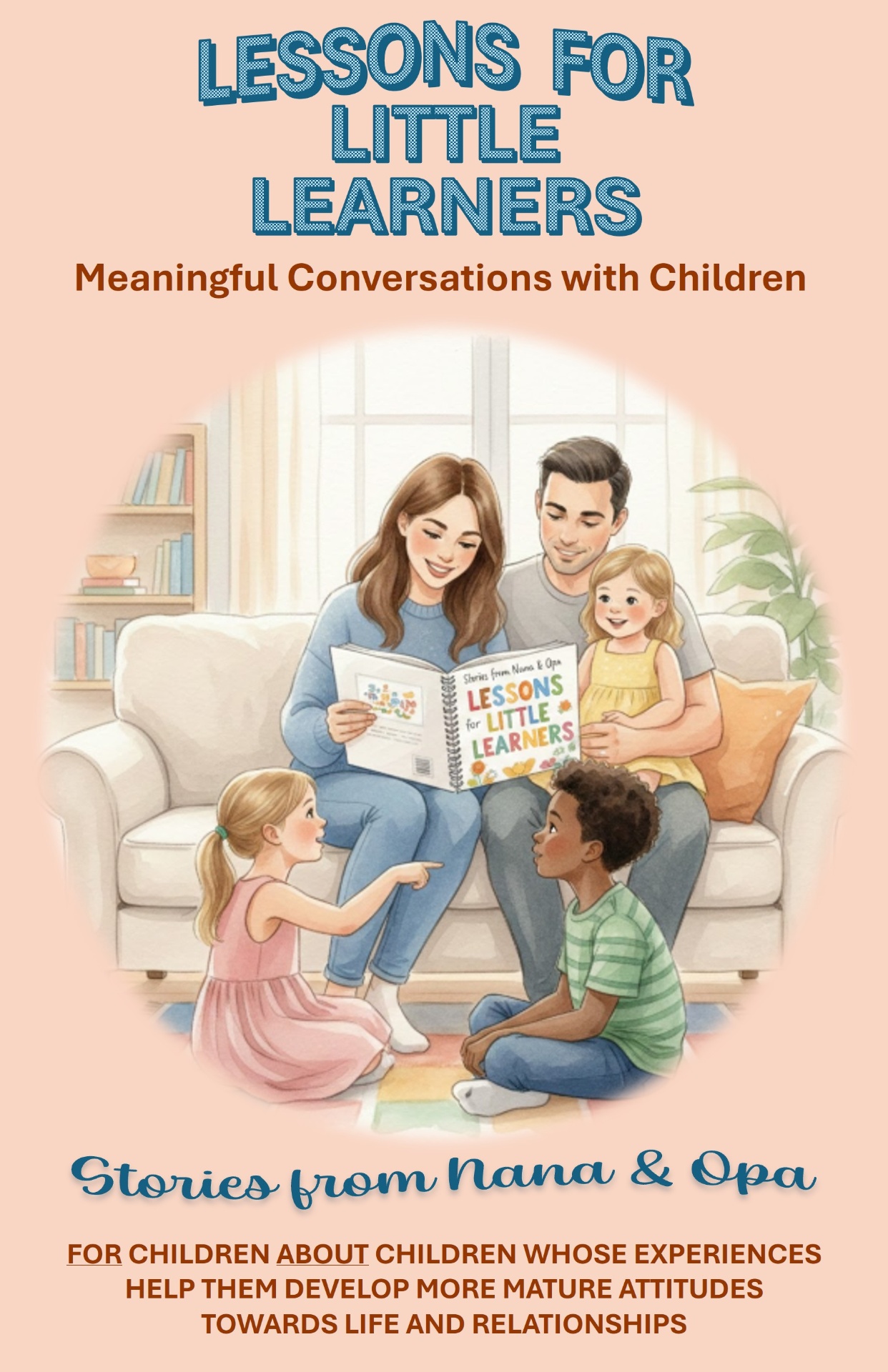
Abstract values are difficult for young children to grasp. Stories give those values a face, a name, and a situation. In Lessons for Little Learners: Meaningful Conversations with Children by Michele and Marv Wainschel, several stories explore what respect looks like in everyday life. In It's Not About Omar, Michael learns that respect means refusing to participate in cruelty toward a classmate, even when his friends are doing it. In The Power of Dreams, William discovers that his sister's ambitions deserve the same respect as anyone else's. In Shadow of Doubt, Josh chooses to judge a neighbor by his own experience rather than by rumor.
Each of these stories invites a conversation. After reading, a simple question — “Why do you think Michael felt uncomfortable?” or “What would you have done in Josh's place?” — turns the story into a lesson the child can apply to their own life.
Respecting others is not a single lesson. It is a way of moving through the world that children develop slowly, through thousands of small interactions. When the adults in their lives consistently demonstrate respect, talk about it openly, and use stories to bring it to life, children grow into adults who treat people with the dignity every person deserves.
Related lesson
Explore the lesson →