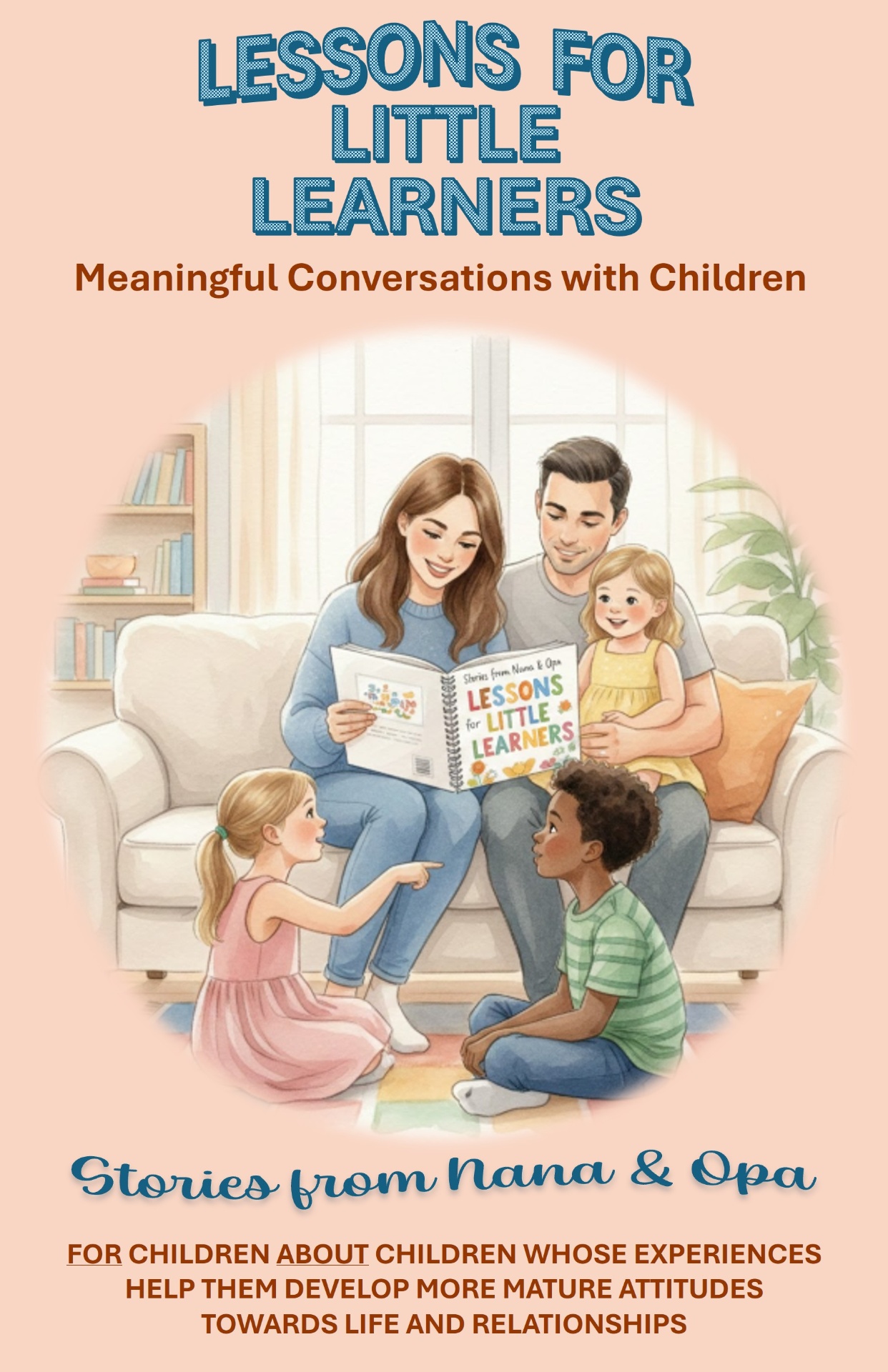
Emotional intelligence is the ability to understand what you are feeling, to recognize what others are feeling, and to respond to both in ways that strengthen rather than damage relationships. It is one of the strongest predictors of long-term well-being, and unlike many skills, it can be taught. The work begins in childhood, and the people who help children build it are not therapists or teachers. They are the adults who spend time with them every day.
Naming feelings is the first step
A young child who is overwhelmed does not yet have the words for what they are feeling. Helping them name emotions — frustration, jealousy, embarrassment, pride, disappointment — gives them tools they will use for the rest of their lives. A child who can say “I'm frustrated” instead of throwing something has already begun to manage that feeling.
Naming feelings should be a normal part of conversation, not just a response to a meltdown. Talking about your own emotions in front of a child — “I'm feeling a little stressed today” — teaches them that adults have feelings too, and that those feelings have names.
Understanding before fixing
When a child is upset, the instinct of most adults is to fix the problem or talk the child out of the feeling. “There's no reason to be sad.” “Don't worry about that.” “You're fine.” These responses, though well-meant, teach a child that their feelings are wrong or inconvenient.
Emotional intelligence grows when children feel heard. A simple response such as “That sounds really hard” or “I understand why that upset you” tells the child that their feelings are real and acceptable. From that place of feeling understood, they are much better able to work through what they feel and decide what to do next.
Empathy for others builds on awareness of self
Children who are helped to understand their own feelings become better at recognizing feelings in others. The connection is direct. A child who knows what disappointment feels like in their own body can recognize it on a friend's face. A child whose own anger has been acknowledged is more likely to notice when a sibling is angry.
Researcher Daniel Goleman, whose work helped bring emotional intelligence into mainstream awareness, has emphasized that self-awareness and empathy develop together. They are not separate skills. By helping a child understand themselves, we are also helping them understand everyone else.
Managing emotions takes practice
Emotional intelligence is not the absence of strong feelings. It is the ability to feel deeply and still act wisely. Children develop this through practice, and they need adult support to do it. A four-year-old needs help calming down. By age seven or eight, they can begin to use simple tools — taking a breath, walking away for a moment, asking for help — on their own.
The way adults handle their own emotions teaches children what is possible. A parent or grandparent who can stay calm during a child's storm, and who can also apologize honestly when they have lost their own composure, is teaching emotional intelligence by example.
Stories that explore the inner world
Stories give children a safe way to explore emotions they may not yet be ready to face directly. In Lessons for Little Learners: Meaningful Conversations with Children by Michele and Marv Wainschel, several stories invite this kind of reflection. In Choosing Happiness, Tommy begins to recognize that his own attitude shapes how his day feels, a foundational insight in emotional regulation. In Shadow of Doubt, Josh navigates the complicated feelings that arise when adults around him judge someone he likes. In The Power of Dreams, William comes to see his sister's feelings about her own ambitions as worthy of respect.
After reading, questions like “How do you think the character was feeling at that moment?” or “Have you ever felt that way?” open the door to honest conversation. These conversations are often where the deepest learning happens.
Raising an emotionally intelligent child is not about teaching them to control their feelings or always be calm. It is about helping them know what they feel, understand what others feel, and respond with wisdom and care. That is one of the greatest gifts any adult can give a child, and it is built one conversation at a time.
Related lesson
Explore the lesson →