Every child wants to be noticed. Every child wants to belong. These are not minor wishes. They are among the deepest needs we carry as human beings, and they begin in childhood, long before a child can put the longing into words. How adults respond to this need shapes a child's sense of who they are and how they connect with others for the rest of their lives.
Belonging begins at home
Before a child worries about whether the kids at school like them, they have already learned an answer to a deeper question: Do the people who matter most see me and value me? A child who feels seen at home walks into the world with a kind of quiet confidence. A child who feels invisible at home is far more vulnerable to needing constant approval from peers.
This does not mean showering a child with attention. It means noticing them in real ways. Hearing them out when they want to tell you something. Looking up from the phone when they walk into the room. Remembering the small things they care about. These are the moments that say, “You belong here, and you matter.”
Friendship is a learned skill
Some children make friends easily. Others do not. The difference is rarely about likability and almost always about social skills, comfort with uncertainty, and the ability to read other people. These are skills that can be developed at any age, but children need help building them.
By age five or six, children begin to understand that friendship involves give and take, sharing of attention, and the willingness to repair when things go wrong. Talking about these things openly — naming what makes a friendship strong, what makes one fall apart, how to apologize and reconnect — helps children build the awareness they need.
When a child feels left out
Few moments are harder for a parent or grandparent than watching a child feel rejected. The instinct is to fix it, to reassure them that they are wonderful and the other children are wrong. But quick reassurance often misses the point. The child does not need their feelings argued away. They need to feel that their hurt has been seen.
A response such as “That really hurts. Tell me more about what happened” gives the child space to process the experience. From there, you can help them think through what to do next, but only after the feeling has been honored. Children who feel heard in painful moments grow into adults who can sit with difficult emotions rather than running from them.
Helping shy children find their place
Children who are quieter or more reserved often struggle most with feeling noticed. The temptation is to push them to be more outgoing, but this rarely helps. What helps is preparation, predictability, and small steps. A child who knows what to expect before a social situation is much more likely to engage in it.
It also helps to acknowledge their temperament directly. “I know meeting new people can feel like a lot. Let's just plan to stay for thirty minutes, and then we can leave if you want.” This kind of preparation tells the child that their experience is real and respected, which paradoxically makes them more likely to find their footing socially.
Stories about belonging
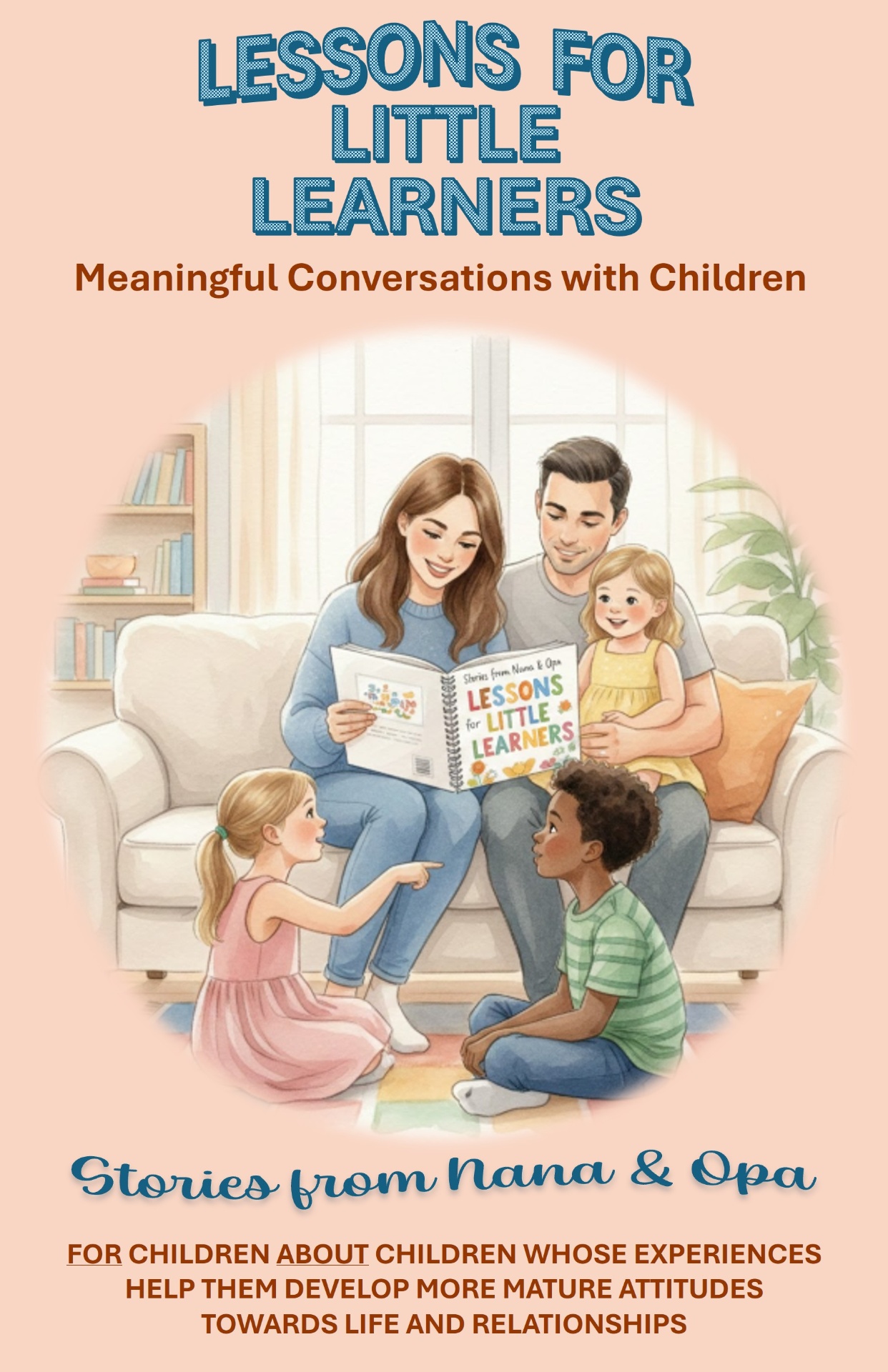
Children rarely talk directly about feeling left out, but they will engage with the topic eagerly through stories. In Lessons for Little Learners: Meaningful Conversations with Children by Michele and Marv Wainschel, several stories explore these themes with care. In Suzie's Secret Garden, a child learns that what makes us close to others has nothing to do with what we own. In The Real Agatha, a girl discovers that trying to be someone else to fit in costs more than it gains. In Finding Her Spotlight, a child realizes that belonging often comes from embracing the opportunities in front of you, even if they are not the ones you first hoped for.
Reading these stories with a child invites natural conversation about their own social world. Questions like “Have you ever felt that way?” or “What do you think made the difference for her?” turn the story into a mirror they can hold up to their own experience.
Helping a child feel noticed, accepted, and connected is one of the most lasting gifts an adult can offer. The work happens in small moments — listening when they speak, sitting with them when they hurt, helping them practice the social skills that do not come naturally. When children feel they belong, first at home and then in the wider world, they grow into adults who know how to belong and how to make others feel they belong too.
Related lesson
Explore the lesson →