Classrooms are not only spaces for academic learning. They are environments where children begin to understand themselves, others, and the world around them. While subjects like reading and mathematics are essential, the lessons that shape character, empathy, and decision making are just as important. One of the most effective ways to teach these deeper lessons is through short stories.
Short stories hold a unique advantage in a classroom setting. They are concise, engaging, and easy for children to follow. Within a short span of time, students can experience a complete narrative that presents a challenge, a response, and an outcome. This structure allows teachers to introduce meaningful discussions without overwhelming young learners.
Children naturally connect with stories. When they see characters facing situations similar to their own, they become more invested. A story about friendship, fairness, or responsibility feels personal. It invites students to reflect on their own experiences without feeling singled out or corrected. This makes learning both comfortable and impactful.
Short stories also create a shared experience within the classroom. When all students engage with the same narrative, it opens the door for group discussion. Teachers can guide conversations that explore emotions, choices, and consequences. Questions about why a character acted a certain way or how a situation could have been handled differently encourage critical thinking and empathy. These discussions help students develop communication skills while learning to respect different perspectives.
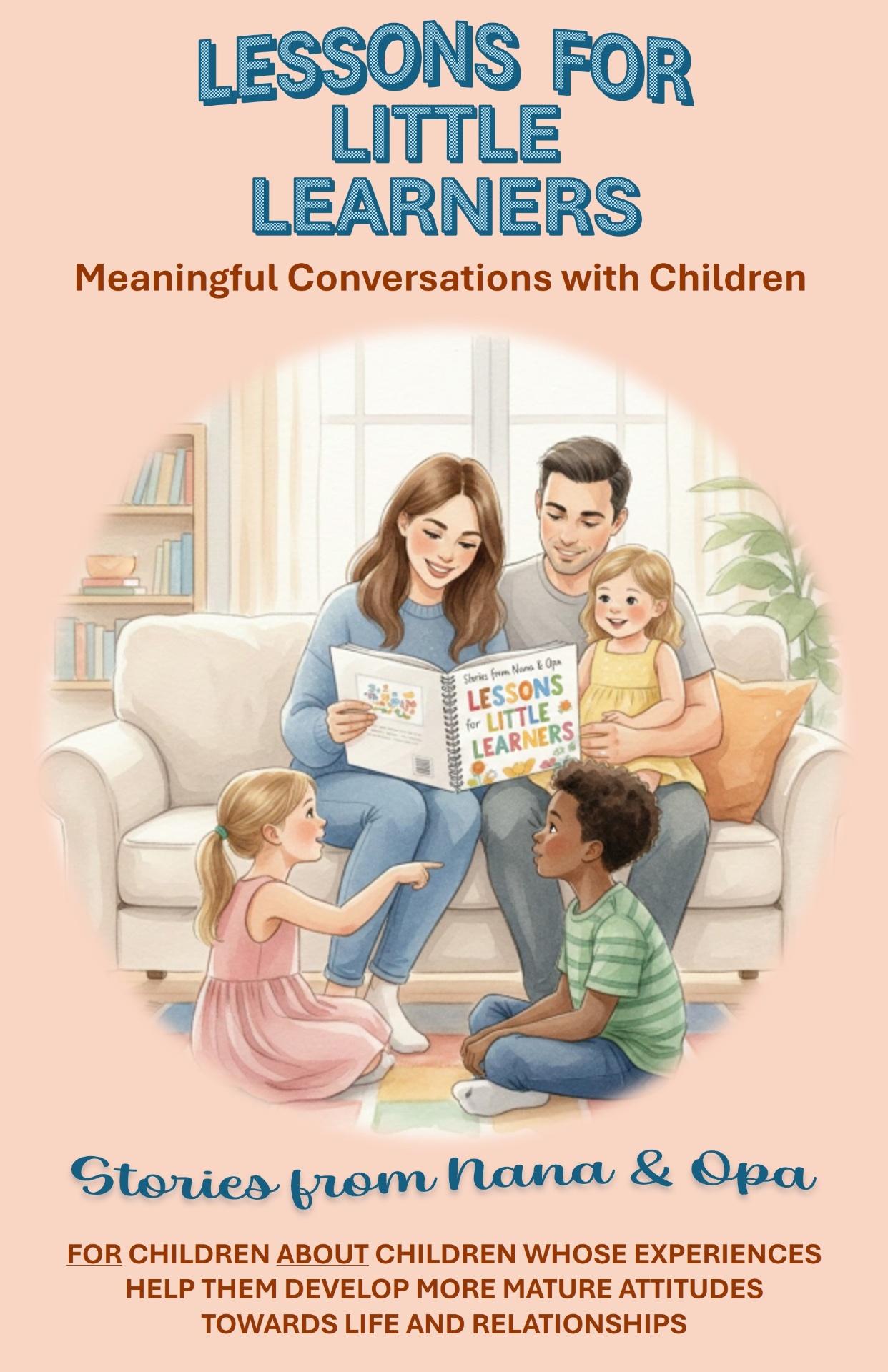
Lessons for Little Learners: Meaningful Conversations with Children by Michele and Marv Wainschel is especially well suited for this approach. The book presents a collection of realistic stories that reflect everyday situations children encounter. Each story is designed to highlight important values such as kindness, inclusion, confidence, and responsibility in a way that feels natural and relatable.
What makes this collection particularly valuable in the classroom is its ability to spark meaningful dialogue. The stories do not simply present a lesson and move on. They encourage students to think, question, and engage. Teachers can easily build activities around each story, from guided discussions to writing exercises and role playing scenarios that reinforce the themes.
Another strength of using short stories is flexibility. A single story can be used in multiple ways depending on the learning objective. It can support reading comprehension, introduce vocabulary, or serve as a foundation for social and emotional learning. This makes it a practical and versatile tool for educators.
Incorporating stories into daily lessons also helps create a positive classroom environment. When students regularly engage with themes of empathy and understanding, those values begin to shape their interactions with one another. Over time, this contributes to a more supportive and respectful learning space.
Teaching life lessons does not require lengthy lectures or complex materials. Sometimes, a simple story can leave the strongest impression. Lessons for Little Learners: Meaningful Conversations with Children provides a powerful resource for educators looking to combine learning with meaningful growth, helping students develop not only knowledge, but the character to use it wisely.