Few phrases are as common in childhood as “It's not fair.” It often comes with frustration, tears, or even anger. While it may seem like complaining, this moment is actually an opportunity. It reveals how a child is trying to understand fairness, expectations, and their place in the world.
The first step is to stop and listen. Instead of correcting the child immediately, allow them to express what they are feeling. When a child says something is unfair, they are often reacting to disappointment or unmet expectations. A calm response such as “Tell me what feels unfair” gives them space to explain rather than intensify.
Once the child feels understood, it becomes easier to guide them toward perspective. Children often see fairness as everyone getting the same thing. Helping them understand that fairness sometimes means everyone getting what they need, not the same result, is an important shift. For example, explaining why one child may have different rules or responsibilities introduces the idea that fairness can look different in different circumstances.
Clarity is also important. Children benefit from simple, direct explanations. If a decision has been made, explain the reason behind it in a way they can understand. Avoid long explanations. A clear explanation such as “You need to finish your homework before playing because responsibilities come first” helps them connect actions with expectations.
Consistency plays a major role. When rules and expectations are predictable, children are less likely to feel that decisions are random or unjust. Consistent responses help them understand boundaries and reduce confusion over time.
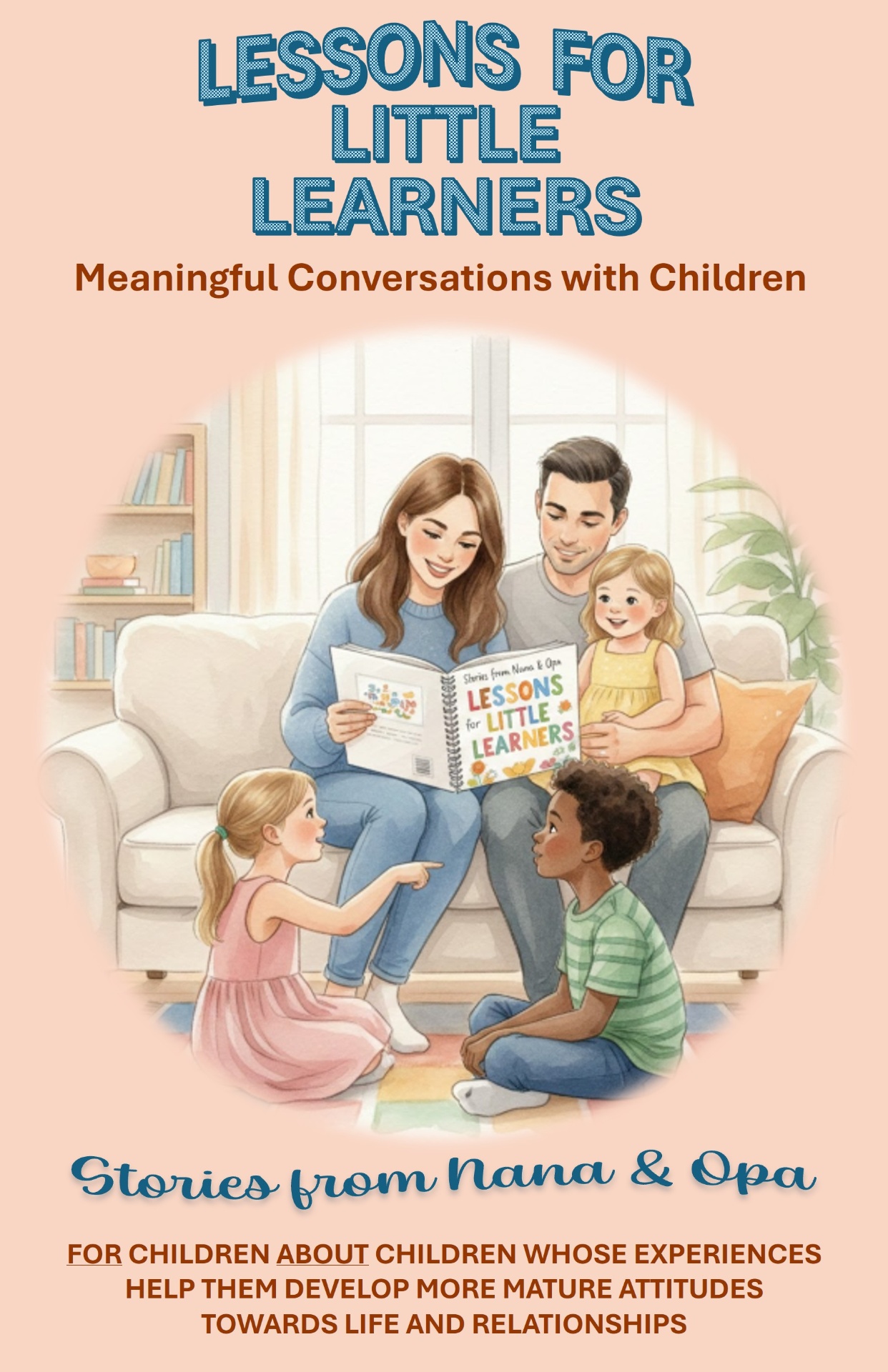
Stories can reinforce these lessons in a meaningful way. In Lessons for Little Learners: Meaningful Conversations with Children by Michele and Marv Wainschel, children encounter relatable situations where characters face disappointment, conflict, and questions about fairness. These stories provide examples that mirror real life, making it easier for children to understand complex ideas.
Encouraging reflection can deepen understanding. Asking questions like “What do you think would be fair in this situation?” or “How would you feel if it were the other way around?” invites the child to think beyond their immediate reaction. These questions gently guide them toward empathy and reasoning.
It is also important to teach that life is not always equal. Not every situation will feel fair, and learning to handle that reality is part of growing up. This does not mean dismissing their feelings, but helping them build resilience. A calm explanation paired with support helps children accept consequences without feeling powerless.
Modeling behavior matters as well. When adults handle unfair situations with patience and composure, children observe how to respond. If they see frustration handled calmly, they begin to understand that emotions can be managed without losing control.
Following up with discussion strengthens the impact. Asking questions like “Why did the character feel that way?” or “What could they have done differently?” encourages children to think more deeply. These conversations help them connect the story to their own experiences.
Responding to “It's not fair” is not about shutting down the complaint. It is about guiding the child through it. By listening, acknowledging, explaining, and encouraging reflection, adults help children develop a more balanced understanding of fairness.
Lessons for Little Learners supports this process by turning everyday challenges into opportunities for growth. It provides both the stories and the questions that help children move from reaction to understanding, building skills that will serve them far beyond childhood.