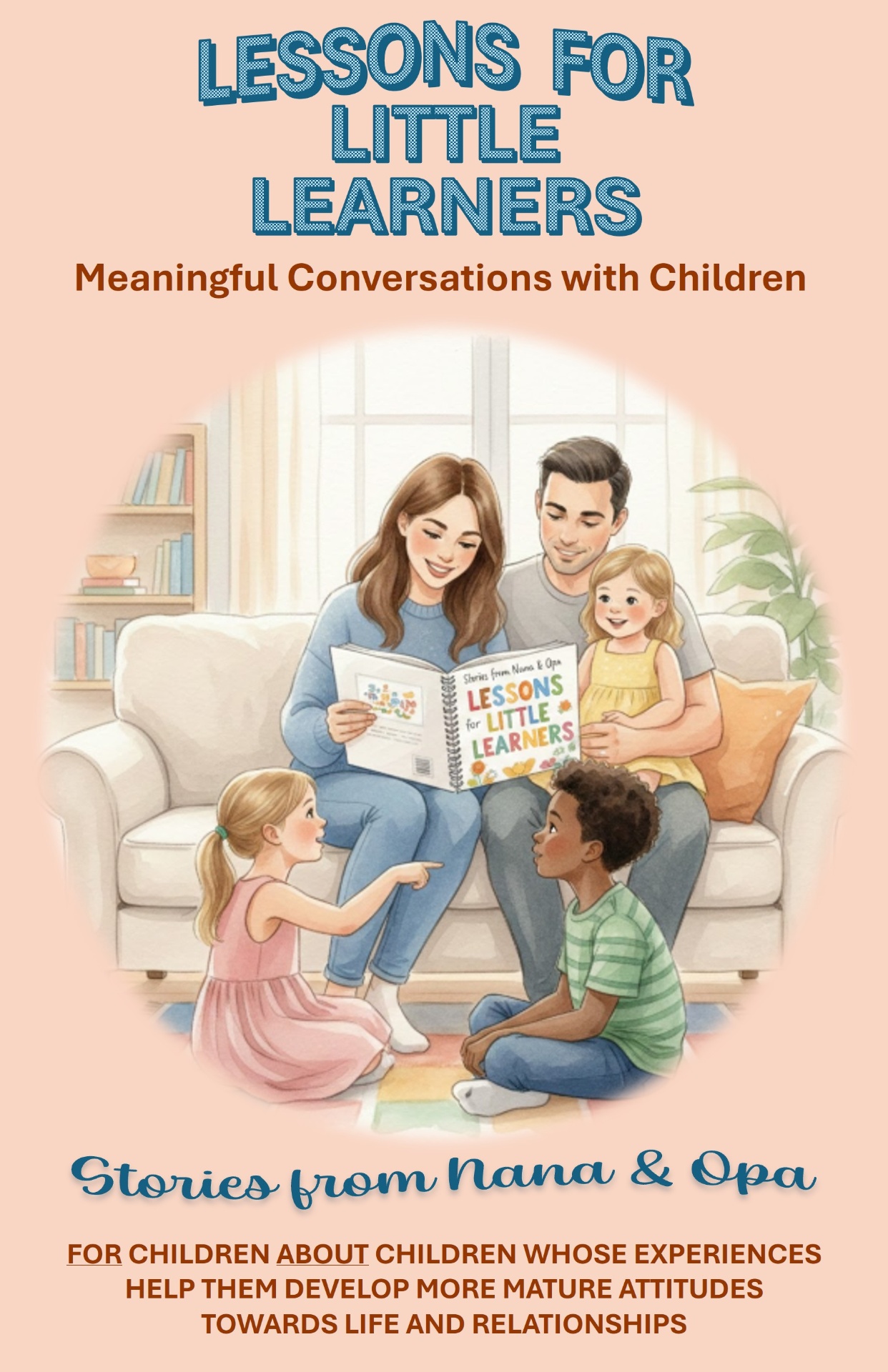
Reading together is one of the simplest daily habits a family can build, yet its impact on a child’s emotional development and the parent-child relationship is profound. In a busy world filled with screens, schedules and distractions, shared reading creates a rare space where connection, communication and understanding naturally come alive. *Lessons for Little Learners: Meaningful Conversations with Children* by Michele & Marv Wainschel is designed specifically to support this kind of meaningful interaction between parents, caregivers and children.
At its heart, this book is not just about storytelling; it is about togetherness. Each story is crafted to be read aloud or enjoyed independently, but its greatest strength emerges when children and adults experience it side by side. For children between the ages of 3 and 10, reading with an adult provides comfort, attention and emotional security. For parents, it offers a window into their child’s thoughts, feelings and developing understanding of the world.
Stories that mirror real childhood
The stories in *Lessons for Little Learners* reflect real-life childhood experiences rather than fantasy or exaggerated plots. Children encounter situations involving friendship, family dynamics, emotional challenges, self-confidence, responsibility and decision-making. Because these scenarios feel familiar and realistic, children are more likely to relate them to their own lives. This naturally opens the door for discussion between parent and child.
For example, when a child reads about Suzie learning that friendship is more meaningful than popularity, it may prompt a conversation about school relationships. When another story explores a child dealing with anger or misunderstanding within the family, it can help children express their own emotions more openly. These conversations are not forced or instructional; they arise naturally from the story itself.
Where the power of shared reading lies
This is where the true power of shared reading lies. It transforms a simple activity into a meaningful emotional exchange. Children feel heard and valued when parents listen to their interpretations of a story. Parents, in turn, gain insight into how their child thinks, feels and responds to different situations. Over time, this builds trust, empathy and emotional closeness.
Another important benefit is the development of emotional vocabulary. Many young children struggle to articulate what they feel. Through guided storytelling, they begin to recognize and name emotions such as frustration, empathy, disappointment, courage and kindness. When a parent reads alongside them, they can gently help connect those words to real-life experiences, strengthening both understanding and communication.
Questions that spark dialogue, not testing
The book also encourages reflection through thoughtful questions at the end of each story. These questions are designed to spark dialogue, not test comprehension. A simple question like “How would you feel in this situation?” or “Have you ever experienced something similar?” can lead to surprisingly deep and meaningful conversations. These moments help children feel safe expressing themselves, even about difficult emotions or experiences.
Equally important is the sense of routine and emotional stability that shared reading creates. When reading becomes a regular part of family life, whether at bedtime, after school or during quiet moments, it becomes something children look forward to. It signals consistency, attention and care. These small but consistent interactions build a strong emotional foundation over time.
Learning and bonding, together
Unlike many children’s books that focus solely on entertainment or moral instruction, *Lessons for Little Learners* integrates emotional learning into every story in a natural and engaging way. It does not separate learning from bonding; instead, it combines the two. Parents are not just reading to their children; they are learning with them.
In the end, the most powerful outcome of reading together is not just improved literacy or a deeper understanding of life lessons; it is a connection. Shared stories create shared memories. They become moments of closeness that children carry with them long after the book is closed.
*Lessons for Little Learners: Meaningful Conversations with Children* by Michele & Marv Wainschel offers families more than a reading experience. It offers a way to grow closer, communicate more openly and understand one another more deeply, one story at a time.