Guiding a child is very different from controlling one. Control relies on authority and pressure, while guidance builds understanding, independence, and trust. Children do not grow by being told exactly what to do at every step. They grow when they are supported in learning how to think, choose, and respond on their own.
The foundation of guidance is respect. When children feel respected, they are more open to direction. This begins with listening. Instead of immediately correcting behavior, take time to understand what the child is thinking or feeling. A child who feels heard is far more likely to cooperate than one who feels dismissed.
Clear boundaries are still necessary, but how they are presented matters. Instead of issuing commands, explain expectations in a calm and simple way. When children understand the reason behind a rule, they are more likely to accept it. For example, explaining that homework comes before play because responsibilities must be handled first helps children connect actions with purpose.
Choice is a powerful tool. Offering limited options allows children to feel a sense of control while still staying within boundaries. Asking “Would you like to do your homework now or after a short break?” gives them ownership without removing structure. This approach encourages decision making and reduces resistance.
Natural consequences are another important part of guidance. When children experience the result of their choices, they begin to understand responsibility. Instead of stepping in to fix every mistake, allow them to learn from outcomes in a safe and supportive way. This teaches accountability without creating fear.
Encouragement should focus on effort and growth. Instead of praising only results, recognize attempts and progress. Saying “You worked hard on that” emphasizes persistence and builds confidence. This helps children develop strength from within rather than relying on external approval.
Modeling behavior is one of the most effective forms of guidance. Children watch how adults handle challenges, make decisions, and treat others. When they see calm problem solving, patience, and respect, they begin to mirror those behaviors. Guidance is often less about what is said and more about what is demonstrated.
It is also important to allow space for mistakes. Over controlling environments often prevent children from trying new things out of fear of failure. When children know they are allowed to make mistakes and learn from them, they become more willing to take initiative. This builds resilience and independence.
Conversations play a key role in this process. Asking questions such as “What do you think you could do differently next time?” encourages reflection. These discussions help children think through situations rather than simply follow instructions. Over time, they begin to develop their own problem solving skills.
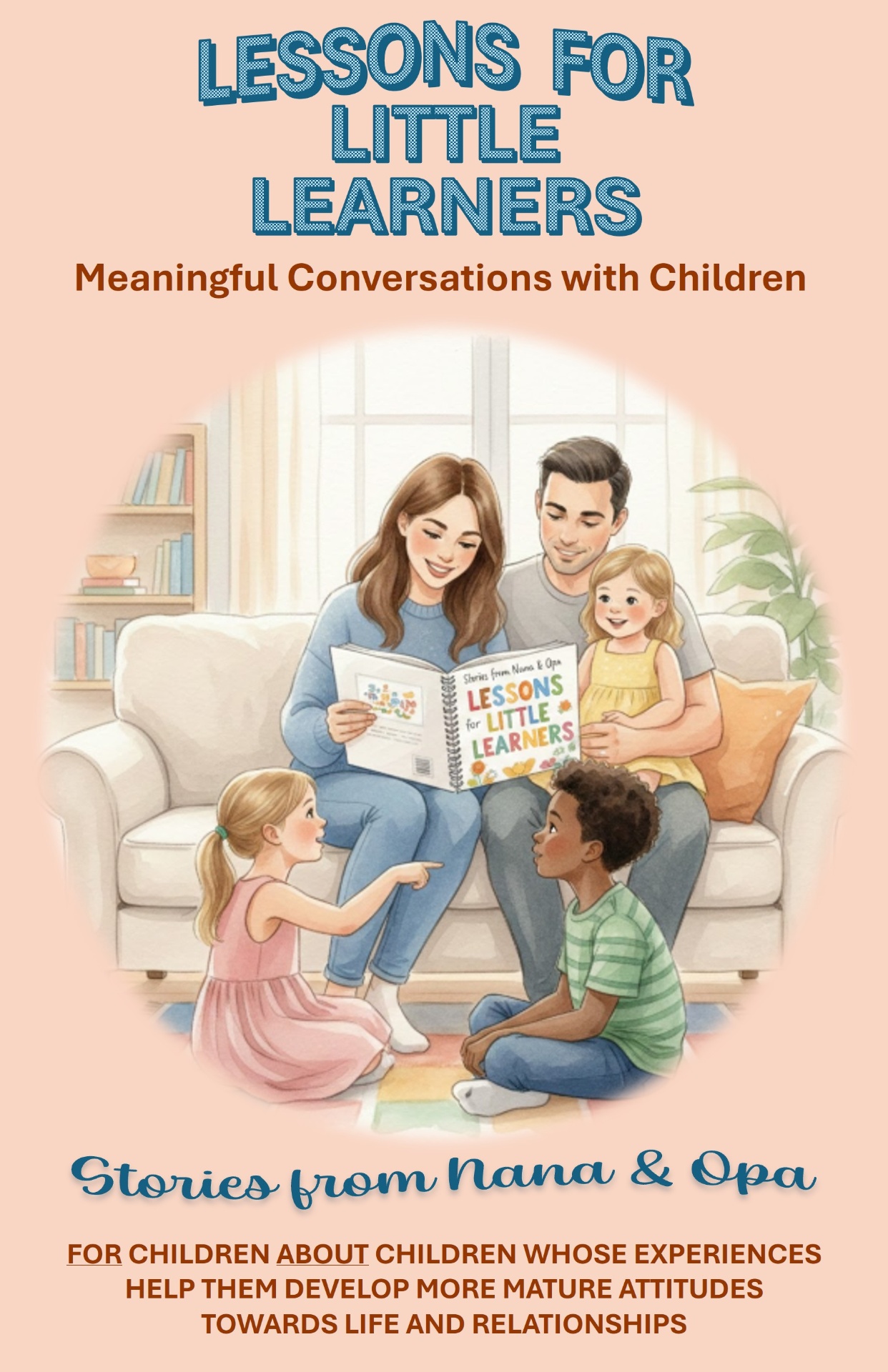
In Lessons for Little Learners: Meaningful Conversations with Children by Michele and Marv Wainschel, guidance is shown through everyday situations that children can relate to. The stories present characters who face choices, challenges, and consequences, allowing children to see how decisions shape outcomes.
Patience is essential. Guidance takes time, and children will not always respond immediately. Consistent support, clear communication, and a calm approach help build trust over time. When children feel supported rather than controlled, they are more likely to develop confidence in their own decisions.
Guiding children without controlling them is about balance. It means setting boundaries while allowing freedom, offering support while encouraging independence, and teaching lessons without taking over. When done effectively, it helps children grow into thoughtful, capable individuals who can navigate the world with confidence.
Lessons for Little Learners supports this journey by turning everyday experiences into meaningful learning moments, helping both children and adults engage in conversations that build understanding, responsibility, and independence.