Childhood anger and hurt feelings often appear sudden, intense, and sometimes confusing to adults. A small incident can lead to a strong emotional reaction, leaving parents wondering why such a big response came from something that seems minor. The answer lies in how children process emotions, infer situations, and make sense of the world around them.
At a cognitive level, children are still developing emotional regulation. Unlike adults, they do not yet have the ability to pause, analyze, and respond calmly. Their emotional responses are immediate and often overwhelming because the part of the brain responsible for reasoning is still maturing. This means that when a child feels hurt or frustrated, the emotion takes over before logic can step in.
Hurt feelings in children are often tied to perception rather than intention. A child may interpret a situation as rejection, unfairness, or criticism even when that was not the intent. For example, being told to wait, share, or stop an activity can feel like a personal loss of control. This perceived loss can quickly turn into frustration or anger.
Anger, in many cases, is a secondary emotion. Beneath it is often something deeper such as sadness, embarrassment, fear, or disappointment. A child who lashes out may actually be feeling left out, misunderstood, or insecure. Because they do not yet have the vocabulary or awareness to express these underlying emotions, anger becomes the easiest way to communicate distress.
Another key factor is egocentric thinking, which is common in early childhood. Children naturally view the world from their own perspective. They may struggle to see another person's point of view or understand complex social dynamics. This can lead to misunderstandings that trigger emotional reactions. What feels like a simple situation to an adult may feel deeply personal to a child.
Attachment and emotional security also influence how children respond. When children feel safe and supported, they are more likely to process emotions in a calmer way. When they feel uncertain or disconnected, their reactions may become more intense. Emotional outbursts are often a signal that a child needs reassurance, connection, or understanding.
Social experiences play a significant role as well. Interactions with siblings, friends, and peers introduce children to situations where feelings can be hurt. Being excluded, criticized, or misunderstood can create strong emotional responses. These moments, while challenging, are also opportunities for growth when handled with guidance.
Language is an important tool in this process. Helping children name their emotions allows them to move from reaction to understanding. When a child learns to identify feelings such as frustration, sadness, or disappointment, they begin to gain control over how they express them. This shift is a key step in emotional development.
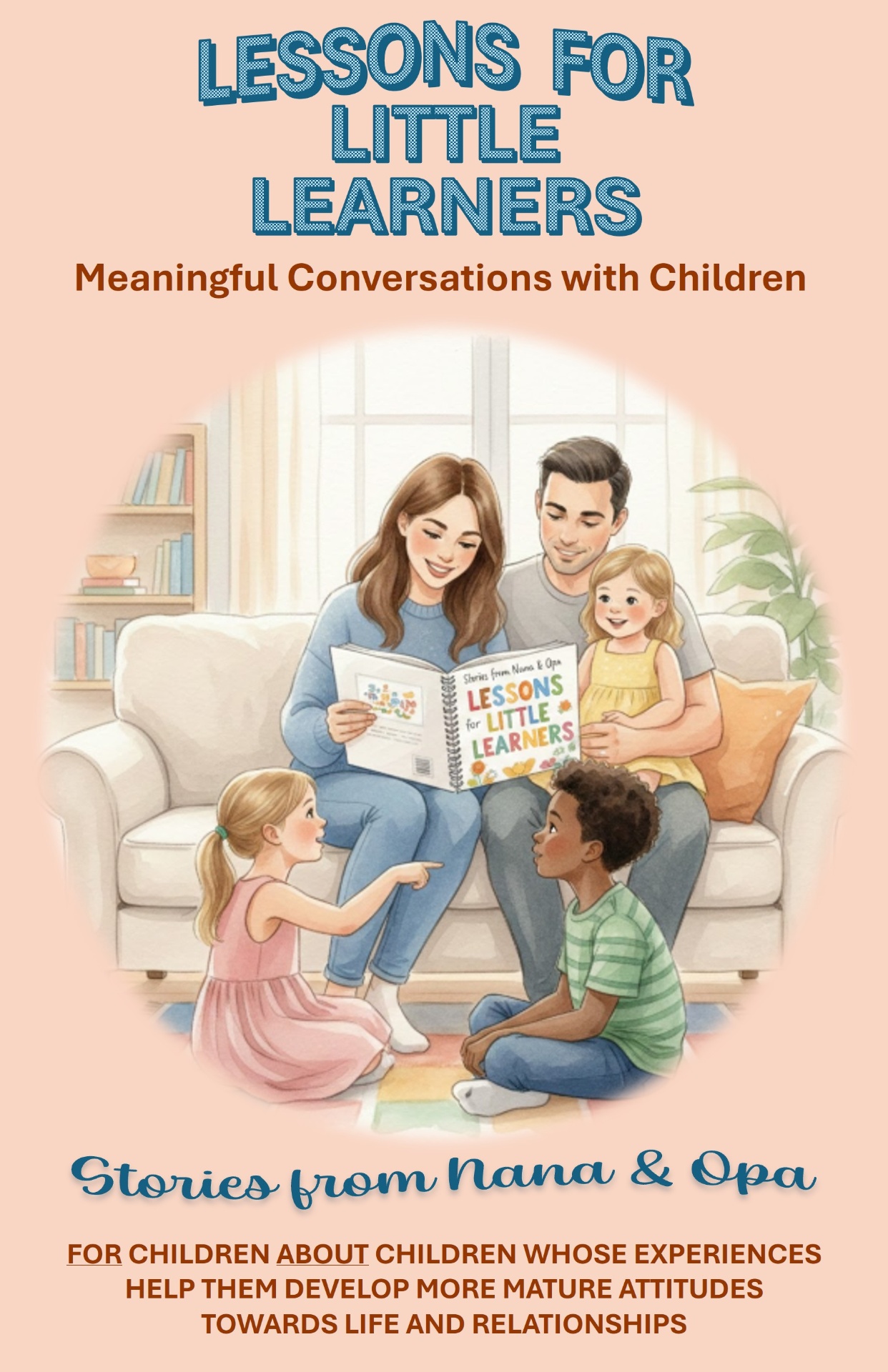
Stories can support this learning in a meaningful way. In Lessons for Little Learners: Meaningful Conversations with Children by Michele and Marv Wainschel, children encounter relatable situations where characters experience anger, hurt, and misunderstanding. These stories reflect real life emotions, allowing children to see how feelings arise and how they can be handled.
Through these narratives, children begin to recognize that emotions are normal and manageable. They see that hurt feelings can be understood and that anger does not have to control their actions. This perspective helps them develop awareness and empathy.
When children are supported through these moments with understanding, guidance, and meaningful conversation, they begin to develop the skills needed to manage their emotions. Over time, this leads to greater self-awareness, stronger relationships, and a more balanced emotional life.